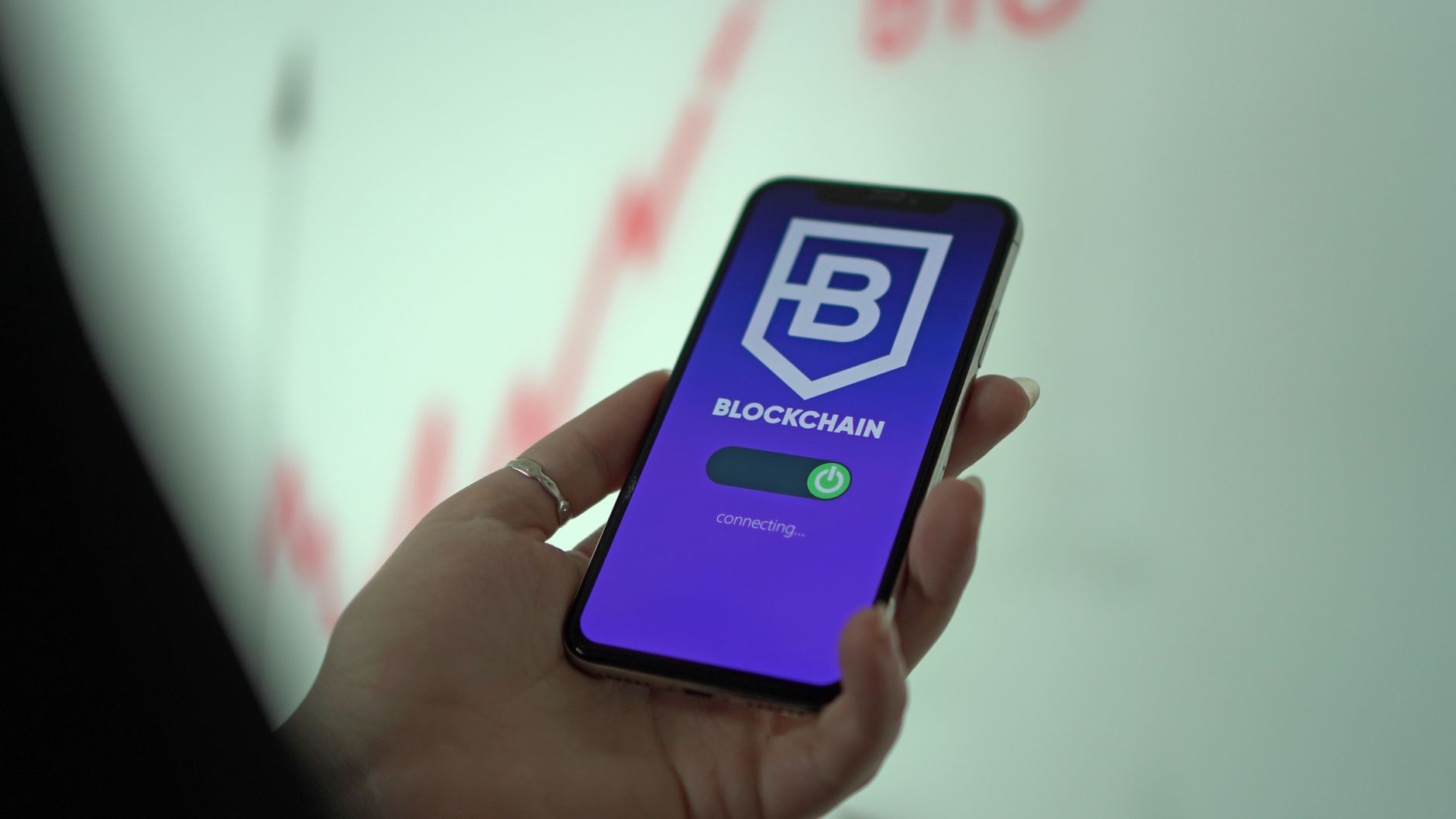
Cracking the Crypto Code: Your First Digital Wallet – What It Is, Why You Need It, and How to Get One (No Tech Degree Required!)
Embarking on your cryptocurrency journey can feel like stepping into a new dimension, and your first digital wallet is your essential passport. Think of it not as a physical wallet, but as a secure, software-based system that stores the private keys necessary to access and manage your crypto assets on a blockchain. These aren't just fancy apps; they're the bedrock of your crypto security, allowing you to send, receive, and even stake various digital currencies like Bitcoin and Ethereum. Understanding what a digital wallet is – essentially, a pair of cryptographic keys (public and private) – is crucial. The public key acts like your bank account number, shareable for receiving funds, while the private key is your secret password, never to be shared. Without a reliable wallet, your precious crypto remains inaccessible, making it an absolute necessity for anyone serious about engaging with the decentralized world.
The 'why' behind needing a digital wallet boils down to ownership and security. Unlike traditional banking where institutions control your funds, a digital wallet empowers you with direct control over your assets. No third party can freeze your account or dictate how you use your crypto. Furthermore, wallets offer varying levels of security, from user-friendly software wallets (hot wallets) connected to the internet to highly secure hardware wallets (cold wallets) that store your keys offline. Getting one is surprisingly straightforward, even without a tech degree! Most popular exchanges integrate wallet functionalities, or you can opt for standalone applications. We'll guide you through the simple steps, from choosing the right type of wallet for your needs to setting it up securely, ensuring your first foray into crypto is both exciting and safe.
Decentralized betting offers a revolutionary approach to wagering, leveraging blockchain technology to ensure transparency, fairness, and security. Unlike traditional bookmakers, decentralized betting platforms operate without a central authority, distributing control and decision-making across a network of participants. This eliminates the need for trusted intermediaries, reducing fees and increasing user control over their funds and bets.
Funding Your Future: From Bank Account to Blockchain – Practical Steps to Buying Your First Crypto & Answering Your Top Questions (Is it safe? How much should I invest?)
Embarking on the journey of cryptocurrency investment can feel daunting, but with a clear understanding of the initial steps, it's a manageable and potentially rewarding endeavor. The first crucial step involves setting up a secure account on a reputable cryptocurrency exchange. Think of exchanges as the digital marketplaces where you can buy, sell, and trade various cryptocurrencies. Popular options include Coinbase, Binance, Kraken, and Gemini, each offering varying fee structures, security features, and supported assets. Before depositing any funds, ensure you've enabled two-factor authentication (2FA) and researched the exchange's security protocols. Once your account is verified, you'll link a funding source, typically a bank account, debit card, or wire transfer. This process securely connects your traditional finances to the world of digital assets, paving the way for your first crypto purchase.
With your account funded and secured, the exciting part begins: acquiring your first cryptocurrency. Many beginners opt for established assets like Bitcoin (BTC) or Ethereum (ETH) due to their larger market capitalization and widespread acceptance. The key question of "How much should I invest?" is entirely personal and hinges on your financial situation and risk tolerance. A common recommendation is to start small, investing only what you can comfortably afford to lose, as cryptocurrency markets can be volatile. Consider dollar-cost averaging, where you invest a fixed amount regularly, regardless of price fluctuations, to mitigate risk. As for safety, reputable exchanges employ robust security measures, but understanding cold storage options (hardware wallets) for long-term holdings is crucial for maximizing the security of your assets. Remember, continuous education and responsible investing are paramount in this evolving landscape.